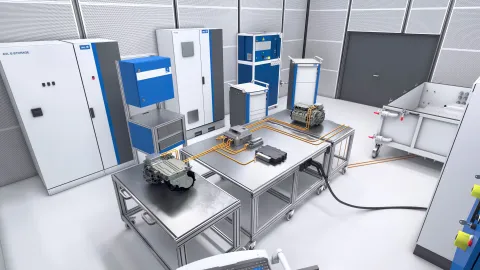
HV systems are complex and dangerous if not properly designed and tested. The AVL HV System testbed provides a safe environment to test HV systems, which helps to prevent accidents and injuries. Besides that, cost-effectiveness is very important. Testing HV systems in a real-world environment can be expensive, time-consuming, and risky. The AVL HV System testbed provides a cost-effective way to test HV systems before they are implemented in vehicles, which can help to reduce development time and costs.
In general, HV systems need to be reliable and robust to ensure the safety of passengers and drivers. The AVL HV System testbed allows engineers to evaluate the reliability of HV systems under different conditions and scenarios, which helps to identify potential problems and improve the overall quality of the system. And also lexibility, as the AVL HV System testbed is highly flexible. With it you can react to the different version pattern phases in hardware development quickly as well as to new software versions during software development. In summary, an AVL HV System testbed is essential for E-Integration tasks as it provides a safe, cost-effective, reliable, and flexible environment for testing and validating high-voltage electric systems.

Reliability
Consistent performance result under a variety of operating conditions.
Safety
Reduce risk for personnel and equipment with a special HV system integration testbed.
Efficiency
Streamline the testing process and reduce the time and effort in testing.
Consistency
Consistent test conditions allow repeatable tests to identify problems with the charging infrastructure.
Cost Savings
Early detection of problems avoids downtime and replacement of costly HV systems.
HV-System Testing
The testbed allows for the individual testing of various HV components such as batteries, electric motors, power electronics, and other related components in their predetermined System.

System Integration
The testbed enables the integration of all HV components and their interaction with other vehicle systems such as the cooling system.

Real-World Simulation
The testbed can simulate real-world scenarios and environmental conditions (e.g., temperature and humidity).

Data Acquisition
The testbed is equipped with various sensors and data acquisition systems that can collect and analyze data related to HV component performance, system efficiency, and energy consumption.

Safety
The HV System E-Integration testbed is designed with safety measures such as protective shields, emergency stop switches, and electrical interlocks to ensure the safety of test personnel and prevent damage to HV components.

Flexibility
The testbed is flexible and can be reconfigured to accommodate different HV system designs and test requirements.


The HV system testbed is a critical tool for the development and validation of high voltage systems. It enables engineers to optimize system performance and safety before deployment in real-world applications.”
– Harald Mahringer, Global Product Manager, AVL List GmbH
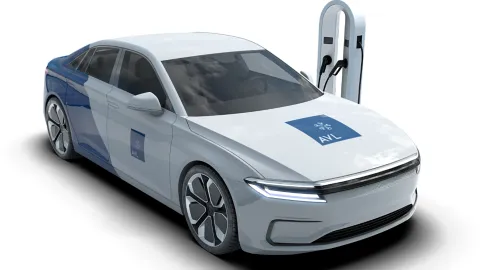
In addition to the on-board charger and the battery itself, most control units are also involved in charging the battery. With increasingly connected vehicles, the vehicle will need to communicate with many different types of charging stations and, in the near future, even directly with the power grid (for load balancing).

Battery tester and emulator for research and development, testing and validation.

- Transform your e-mobility analysis with AVL CONCERTO 6™, featuring fast data access, advanced visualizations and calculations, and auto-generated reports for superior performance and precise insights.


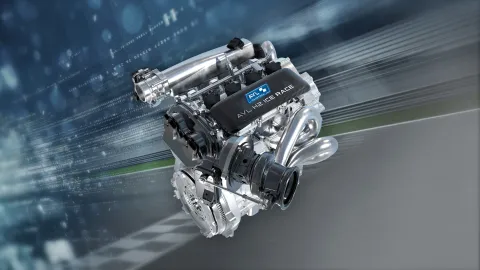
AVL RACETECH, the motorsport department of AVL, presents the prototype of an innovative H2 internal combustion engine. The power unit is a compact, hydrogen-powered 2-liter turbo engine, with intelligent water injection, which achieves a totally new performance level. The first racing engine that AVL RACETECH is developing and building in-house.